What it is
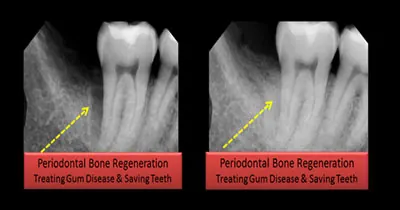
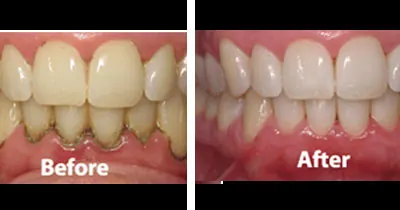
Non-surgical gum treatment, also called deep cleaning or scaling and root planing, removes the hardened plaque (tartar) and bacteria that collect below the gumline. The root surfaces are then smoothed so the gums can heal and reattach to the teeth.
Who needs it
It is the first step for gingivitis and early to moderate periodontitis: gums that bleed when you brush, look red or swollen, smell bad, or have started to pull away from the teeth. Many patients never need surgery when gum disease is caught at this stage.
What to expect
Dr. Prashanthy first measures the gum pockets around each tooth to see how far the disease has gone. Cleaning is done under local anaesthetic when needed, often over one or two visits, followed by a review appointment to check healing and a personal home-care plan.
Frequently asked questions
Is deep cleaning painful?
The area is numbed when needed, so most patients feel only pressure. Mild tenderness or sensitivity for a few days afterwards is normal.
How do I know I need gum treatment?
Bleeding when brushing, swollen or receding gums, bad breath that doesn't go away, or loose teeth are common signs. A periodontist can confirm it by measuring the gum pockets.
Can gum disease come back?
Yes, if plaque builds up again. Regular maintenance cleanings, usually every 3–6 months, and good home care keep it under control.